Introduction: Designing for the Climate You Live In
Coimbatore’s climate is warm, bright, and dynamic. While this offers plenty of natural light and ventilation opportunities, it also demands thoughtful design choices. Homes that ignore climate often struggle with excessive heat, poor airflow, and high energy usage.
Climate-responsive design is not about expensive technology—it’s about intelligent architecture, well-planned interiors, and purposeful landscaping.
At Aparna Architects & Consultants, climate is treated as a design partner, not a problem to be solved later.
Architectural Design: Working With Sun and Wind
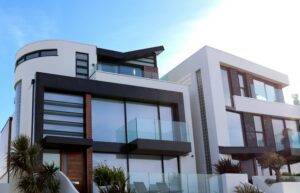
The first layer of climate-responsive design begins with architecture. In Coimbatore, this means controlling heat gain while maximising daylight and ventilation.
Key architectural strategies include:
- Proper building orientation to reduce harsh sun exposure
- Thoughtful window placement for cross-ventilation
- Shaded openings, verandas, and recessed balconies
- Courtyards that improve airflow and daylight penetration
When architecture responds to climate, indoor spaces remain comfortable without constant dependence on artificial cooling.
Interior Design: Comfort Through Planning, Not Just Materials
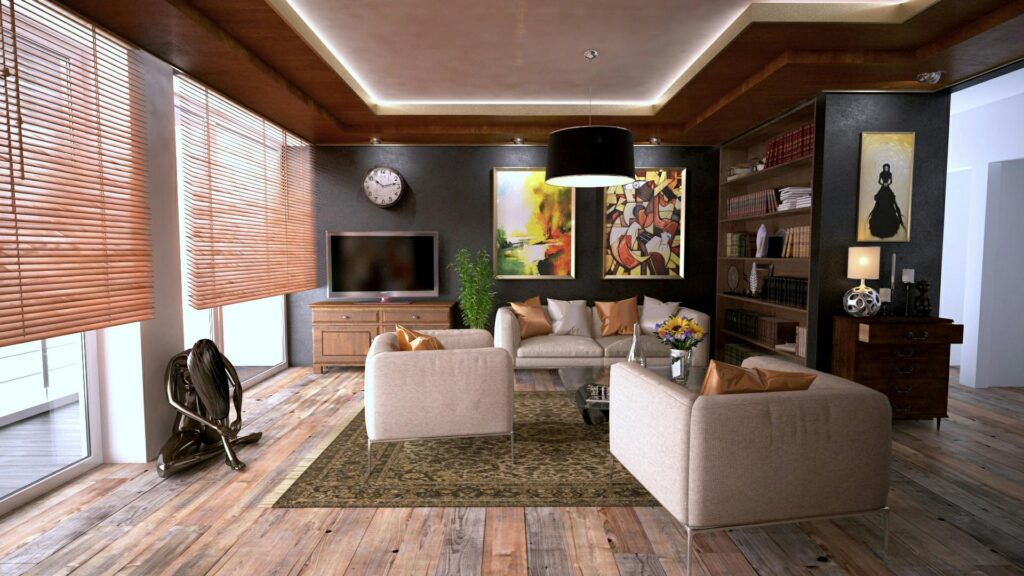
Interiors play a major role in how a home feels throughout the day. Poorly planned interiors can trap heat, restrict airflow, and create uncomfortable living conditions.
Climate-aware interior design focuses on:
- Open layouts that allow air to circulate freely
- Light-coloured finishes that reflect heat
- Natural materials that remain thermally comfortable
- Furniture layouts that do not block ventilation paths
By aligning interior planning with architectural intent, homes feel calmer, cooler, and more usable year-round.
Landscaping: Nature as a Cooling Tool
Landscaping is one of the most effective yet underestimated climate tools. Strategic greenery around a home can significantly reduce ambient temperature.
Well-designed landscapes help by:
- Shading walls and outdoor surfaces
- Cooling surrounding air through evapotranspiration
- Reducing heat reflection from paved areas
- Creating pleasant outdoor living zones
Trees, green buffers, courtyards, and water elements can dramatically improve the microclimate of a residential property.
Why Integrated Design Makes the Difference
When architecture, interiors, and landscaping are designed separately, climate strategies often fail. Integrated design ensures:
- Architectural openings align with interior layouts
- Landscaping supports ventilation and shading
- Indoor and outdoor spaces work together
- Visual and functional continuity throughout the home
This holistic approach leads to homes that are not only beautiful, but also comfortable and sustainable.
Aparna’s Approach to Climate-Responsive Homes
Aparna approaches every residential project by understanding:
- Site orientation and surrounding context
- Daily movement patterns of occupants
- Seasonal changes in light and wind
- Long-term comfort and adaptability
Rather than relying on trends, the studio focuses on timeless design principles that suit Coimbatore’s climate and modern lifestyles.
Final Thoughts: Comfort Is Designed, Not Added
True comfort doesn’t come from air-conditioners or afterthought solutions. It comes from thoughtful design decisions made early—where architecture sets the tone, interiors support living patterns, and landscaping brings balance.
For homeowners in Coimbatore, climate-responsive design is not optional—it’s essential for long-term wellbeing and efficiency.